
Wednesday 10 Jun 2026
TfL’s crackdown on fare evasion sees increased ticket and payment checks and more penalty fares
PN - 198
- The number of contactless payment cards checked by TfL enforcement officers increased by 50 per cent last year, while the number of penalty fares issued was up by nearly 10 per cent
- Fare evasion is a criminal offence and prevents TfL from getting vital income that would benefit all customers
- TfL has set out plans to increase the number of Transport Support and Enforcement Officers patrolling the network by 50 officers
Transport for London (TfL) has released new data on fare evasion enforcement, showing the number of checks and penalty fares issued by TfL is up significantly on the previous year. The crackdown on fare evasion is part of a bold strategy to tackle fare evasion across all TfL services, with the goal of driving down the rate to below 1.5 per cent by 2030/31.
TfL’s enforcement teams operate across the entire transport network, day and night, carrying out ticket checks and using technology to identify anyone travelling without the correct ticket or having paid the correct fare. TfL has significantly increased revenue enforcement across 2025/26, with new data showing that from April 2025 to March 2026, it has:
- issued 69,001 penalty fares, a nine per cent increase from last year
- issued 21,533 Irregularity Reports for possible prosecution, an 18.7 per cent increase from last year [1]
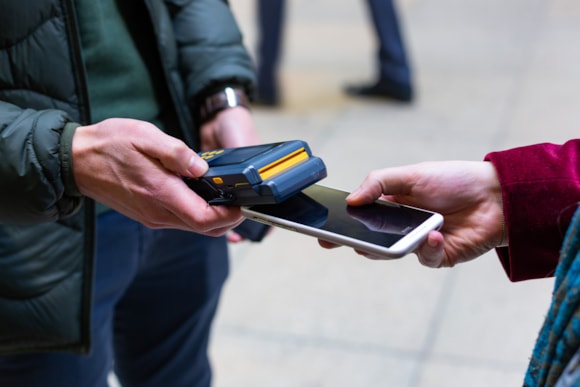
- checked 6.9 million contactless payment cards, a 50.6 per cent increase from last year
- generated £5.4 million in Revenue Inspection Charges from people who did not have a valid Contactless Payment Card for their journeys, a significant 141.6 per cent increase from last year
- checked 3.3 million bus passengers, 400,000 more bus passengers than last year
TfL has also secured 14,406 convictions for fare evasion this year, 955 more than last year. As a result, court awards have risen by 24.6 per cent to £2.6 million. One major area of focus for TfL's enforcement teams is contactless payment card fare evasion. In a recent case, an individual was convicted in February this year, following an investigation and interview conducted by TfL’s dedicated fare evasion investigation team. The individual had been using a bank card listed on the TfL denied travel list, demonstrating a repeated pattern of use. [2] At court, the individual pleaded guilty and accepted a further 181 offences. They were ordered to pay a total of £2,131, the majority of which is to be returned to TfL in costs and compensation.
TfL continues to tackle blatant fare evasion, such as gate-pushing, and enforcement officers have reported 4,428 individuals for possible prosecution during last year. This type of behaviour creates an intimidating atmosphere for staff and customers and increases the risk of work-related violence and aggression for customer-facing teams.
As part of its focus on everyone’s safety and security, TfL is increasing the number of its Transport Support Enforcement (TSE) officers by 50, with 36 of these officers focussing on night shifts, to support a further increase in checks across the network. Revenue disputes are a precursor to approximately 40 per cent of all reported work-related violence and aggression incidents towards frontline colleagues across the network. Increasing the number of accredited enforcement officers who can refuse entry and remove people from stations and deploying them to locations with high gate-pushing rates lowers the risk of work-related violence and aggression for frontline staff.
The current fare evasion rate in London is 3.5 per cent, down from 3.9 per cent in 2022/23 thanks to work the work of TfL teams. London’s fare evasion rate is significantly lower than many cities globally. [3]
Siwan Hayward, TfL's Director of Security, Policing, and Enforcement, said: “The overwhelming majority of customers pay the correct fare, and it's unfair that a minority avoid paying. That’s why we are strengthening our capability to detect and deter fare evasion, as shown by the significant increases in enforcement activity across our network – from more customer ticket checks to more officers on the ground and higher levels of revenue recovered.
“Fare evasion is not a victimless crime. It robs Londoners of vital investment in a safe, frequent and reliable transport network. We are committed to ensuring that those who evade fares face the consequences of their actions, and that the cost of fare evasion is paid by the evaders, not our fare paying customers.”
Deputy Mayor for Transport, Seb Dance, said: “The vast majority of those using TfL services pay their fares correctly. The small minority of those that evade paying the correct fares are committing a criminal offence which deprives TfL of essential revenue that should be reinvested into our world-leading transport network. For those people we have a clear message: fare evasion will not be tolerated, and that they will be held to account.
“As part of our crackdown, we’ve expanded our team of professional investigators across the entire network and invested in cutting-edge technology to target the most persistent offenders, and these new figures show that our approach is working. The Mayor and I will continue to support TfL in protecting these vital funds so they can be reinvested in improving transport services for Londoners, as we work to build a better London for everyone.”
This work builds on TfL’s fare evasion strategy launched in April 2025, which set out a data-led plan to halve fare evasion to 1.5 per cent or less by 2030/31. The strategy introduced expanded investigations targeting repeat offenders, strengthened enforcement across the network, and the use of advanced tools to identify evasion patterns, marking a shift to a more proactive and intelligence-led approach.
Contact Information
TfL Press Office
Transport for London
0343 222 4141
pressoffice@tfl.gov.uk
Notes to editors
- TfL Fare Evasion rates for 2025/26 are set out below –
|
2025/26 |
Q1 |
Q2 |
Q3 |
Q4 |
End of Year |
|
London Underground |
5.3% |
5.0% |
4.8% |
4.8% |
5.0% |
|
Buses |
2.6% |
2.6% |
2.6% |
2.4% |
2.6% |
|
London Overground |
3.5% |
3.2% |
3.2% |
3.1% |
3.3% |
|
DLR |
4.2% |
4.0% |
4.1% |
3.8% |
4.0% |
|
Elizabeth Line |
3.6% |
3.4% |
3.3% |
3.1% |
3.3% |
|
Trams |
6.8% |
7.5% |
7.0% |
7.7% |
7.3% |
|
TfL Total |
3.7% |
3.6% |
3.5% |
3.4% |
3.5% |
- The financial value of fare evasion is currently estimated to be circa £190m per year. Fare evasion impacts TfL's ability to invest in and maintain a safe, secure, clean, and reliable service.
- [1] When a fare irregularity is detected, TfL Enforcement Officers follow established procedures to determine whether a Penalty Fare should be issued, or an Irregularity Report submitted to our Appeals and Prosecutions Team for further review. Each Irregularity Report submitted by enforcement teams is reviewed on an individual basis, in line with TfL's enforcement policy and public interest considerations - Tackling fare evasion - Transport for London
- [2] Contactless payment cards can be added to the denied lists for breaches of conditions of use - tfl-contactless-cards-and-devices-conditions-of-use.pdf
- [3] https://www.iledefrance-mobilites.fr/en/actualites/lutte-fraude-transports-ile-de-france
- For further information and enforcement stats please visit - Tackling fare evasion - Transport for London

Powered by Onclusive PR Manager © 2026