
Friday 6 Feb 2026
TfL trials new bus shelter designs at 27 locations across London
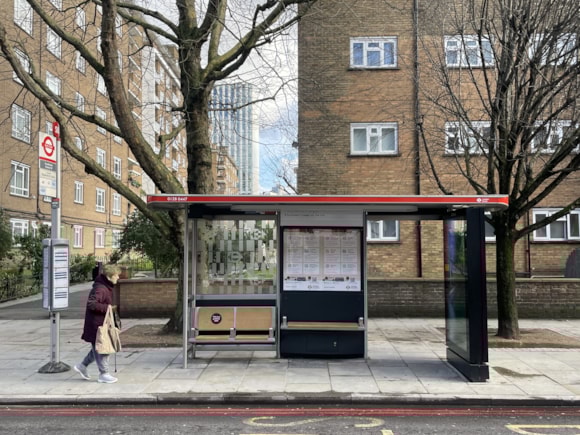
PN - 150
- TfL is running a 12-month trial on new bus shelter designs to improve accessibility, safety and customer experience
- Improvements include better lighting and seating, priority spaces, a more sustainable modular construction approach, a new roof design, more robust anti-vandalism materials and CCTV at selected shelters
- Alongside the trial of new designs, additional bus shelters will be introduced at locations that currently do not have one
- Trial demonstrates TfL’s commitment to the Bus Action Plan, which aims to encourage bus use and support the Mayor’s ambition for 80 per cent of London journeys to be made using public transport or active travel by 2030
Transport for London (TfL) will begin trialling new bus shelter designs aimed at improving accessibility, safety and customer experience, with the new designs introduced at 27 locations across London over the coming weeks. TfL is committed to making bus travel more attractive as part of its Bus Action Plan, and the new design features will be installed at existing shelter locations by upgrading or replacing a variety of individual features.
More than five million journeys are made on TfL’s bus network each day and every passenger wants their waiting environment to be as safe, accessible and comfortable as possible – but some of TfL’s existing shelters vary in age and condition, creating an inconsistent customer experience. This trial introduces a modern, environmentally responsible and sustainable design identity that aligns with TfL’s iconic bus network.
The trial will span boroughs across London including Barking & Dagenham, Bexley, Camden, Croydon, Hackney, Havering, Hillingdon, Kingston-upon-Thames, Lambeth, Southwark, Wandsworth and City of Westminster. It began at the end of January and will run for 12 months in locations selected based on the condition of existing shelters and the number of customers using each bus stop, as well as high crime locations.

Across the sites, two different designs and four different configurations of features will be used to test the new approach, ensuring a broad range of criteria can be assessed throughout. Customers at the trial locations will benefit from enhanced features including:
- Better lighting - a brighter waiting environment to help customers feel safer and provide better visibility of the bus shelter and stop for bus drivers
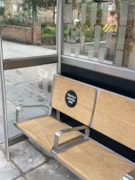
- Improved seating - an updated seating design to enhance comfort and ease of access, especially for customers with mobility impairments
- More robust materials - shelters less prone to the impact of vandalism, making them easier to maintain
- An improved roof design - a reflective red vinyl to strengthen the iconic red bus brand identity and stand out more, making it more recognisable in darkness and from further away
- Priority spaces - a priority seating moquette and dedicated waiting space with signs for priority customers
- CCTV - cameras installed at 10 locations to enhance public safety, with evaluation of how they support police investigations and influence crime levels in those areas
In developing the new design features, TfL has engaged with a number of campaign groups and charities who have provided valuable feedback, including disability focus groups, the RNIB, the Suzy Lamplugh Trust and London TravelWatch. Incorporating their perspectives was essential to ensuring that the designs meets the needs of all customers and reflects the highest standards of accessibility and safety. Throughout the trial TfL will carefully consider any feedback and will incorporate this into the future design of London’s bus shelters.
Bus stops and shelters are the most used waiting points daily across all public transport modes and TfL maintains most of the 14,000 bus shelters across London. TfL maintenance teams work around the clock to make sure bus shelters are a clean, comfortable waiting environment – ensuring they are regularly maintained, graffiti is tackled, and customer information displayed is correct.
Alongside the trial of new shelter designs, additional bus shelters will be introduced at locations that previously had no provision. Approximately 20 new Landmark London shelters are being installed at some of the network’s highest demand stops, many of which have not had a shelter before. 11 refurbished shelters are being redeployed across the network to further improve waiting conditions for customers at unsheltered stops.

In 2024, TfL installed CCTV in 20 bus shelters across London as part of a trial with the Metropolitan Police aiming to make journeys safer and give women and girls more confidence when travelling. Initial results showed that 80 per cent of 1,000 women surveyed said CCTV made them feel safer and 73 per cent said they would be more likely to travel by bus. These trials will continue to enable TfL to evaluate the effectiveness of CCTV in improving passenger confidence and safety.
Carl Eddleston, TfL's Director of Streets and Network Operations, said: “This initiative reflects our commitment to creating a bus network that feels safer, more welcoming and easier to use. By modernising our infrastructure, we’re ensuring that Londoners benefit from spaces that truly support their daily journeys. These upgrades allow us to rethink how our shelters serve the city and help us shape the future of public transport. We are keen to hear directly from those who use these shelters so we can incorporate their feedback into future designs."
Seb Dance, London’s Deputy Mayor for Transport, said: "The Mayor and I are committed to making sure our transport network is safe and seamless for everyone to use, so that Londoners and visitors can make the most of all our fantastic city has to offer. We’re pleased to see TfL working to improve accessibility and safety across the bus network, trialling innovative new approaches to ensure passengers have the best possible journeys, as we continue building a fairer and better London for all.”
Michael Roberts, CEO of London TravelWatch, said: “Many people - particularly women and girls - can feel unsafe waiting at bus shelters after dark, so better lighting and CCTV will go a long way to help them feel more safe and secure. We know that buses are a vital mode of transport for many people, so this is a positive way to encourage people to use them more and make them feel a lot safer and comfortable when they do so. Our recent street space research also found that a third of Londoners wanted better places to sit and rest, so more comfortable bus shelters will no doubt be welcomed by many people, and particularly those with mobility issues. We’ll be looking out for the new bus shelters and look forward to seeing the results of the trial.”
TfL continues to deliver its Bus Action Plan, which aims to increase the number of customers choosing bus travel across London by making it more reliable, faster and greener. Journeys are getting better with new comfortable zero emission buses, investment in more bus lanes and the latest traffic light technology to improve reliability, and upgrades to real-time information at stops and on buses for a smoother customer experience. The game-changing Superloop - a network of express bus services - continues to transform travel across London and has added more than eight million kilometres per year to the capital's network.
Contact Information
TfL Press Office
Transport for London
0343 222 4141
pressoffice@tfl.gov.uk
Notes to editors
- The Mayor's Transport Strategy and The Bus Action Plan is available at: https://tfl.gov.uk/corporate/about-tfl/the-mayors-transport-strategy
- Only the Metropolitan Police will have access to camera feeds. The Met is the data controller and access, and release of data is covered by their policy and processes in line with data protection laws.
- The results of the trial will be used to evaluate the costs and the feasibility of a wider introduction of CCTV cameras to other locations in London.


Powered by Onclusive PR Manager © 2026