
Wednesday 9 Sep 2026
Step back in time as TfL celebrates 100 years of the Northern extension to Morden
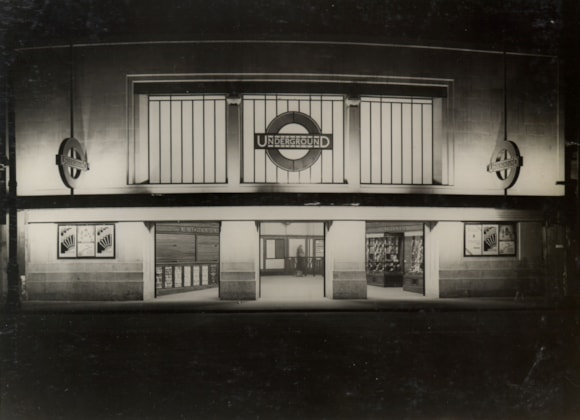
PN-227
- TfL is organising a special treasure hunt to mark the centenary of Charles Holden's iconic Northern line stations
- The event will take place on Saturday 12 September and is open to all
- The Northern line extension to Morden unlocked decades of economic growth by connecting rural areas to central London, creating jobs, housing and boosting local businesses
Transport for London (TfL) is inviting customers and local communities to celebrate the centenary of the Northern line's extension to Morden with a special family-friendly treasure hunt on Saturday 12 September.
The treasure hunt will highlight the history, architecture and heritage of some of Northern line's most distinctive Underground stations, which opened 100 years ago on 13 September 1926.
As part of the treasure hunt, participants will be invited to explore the route between Morden and Clapham South stations, uncovering details about Charles Holden's architecture and the day-to-day operation of the Underground. Starting at Morden station, teams will collect a clue pack containing a series of questions to answer at stations along the route. The treasure hunt will conclude at Clapham South station, where participants who have successfully completed the challenge will be eligible to receive a commemorative prize.
The event is designed to be completed at participants' own pace and offers an opportunity to discover the unique features of these historic stations while enjoying local shops and cafés along the route.
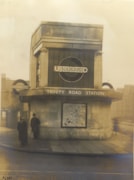
Opened in 1926, the Northern line extension brought the Underground deep into south London for the first time, with seven stations designed by renowned architect Charles Holden. Their striking modernist architecture marked a new direction for London Underground station design and continues to influence transport architecture around the world. In the century since opening, the stations have acted as a catalyst for massive economic growth across south London, with more than 25,000 entries and exits being seen at Morden station on most weekdays. The Northern line extension to Morden has also helped boost London's night-time economy, serving as part of Night Tube for the past 10 years.

Ann Gavaghan, Customer Experience Manager at Transport for London, said: "The Northern line extension to Morden transformed travel in south London and introduced a collection of stations that remain some of the most recognisable and admired on the Underground network. As we celebrate their centenary, we're delighted to invite Londoners and visitors to discover the history, architecture and stories behind these remarkable buildings. Whether taking part in the treasure hunt or joining one of our guided tours, these events offer a unique opportunity to experience Charles Holden's legacy and celebrate 100 years of these iconic stations."
Councillor Ross Garrod, Leader of Merton Council, said: “We’re delighted to be marking the centenary of the Northern line extension to Morden, which connected Merton via South Wimbledon and Colliers Wood to central London and helped make us one of the best-connected boroughs in Outer London.
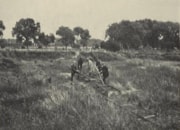
“Looking back at old photographs, it’s fascinating to see how the area around Morden Tube Station has changed over the past 100 years, particularly as we begin developing exciting new plans for the future of Morden Town Centre.
“We look forward to joining in the celebrations with heritage displays and children’s activities at nearby Morden Library.

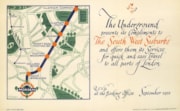
The opening of the Northern line extension to Morden in 1926 helped tackle unemployment following the World War, while also unlocking decades of economic growth in the area. By connecting previously rural areas to central London, the extension supported house building, created construction and transport jobs, boosted local businesses and transformed Morden into one of south London's most important transport hubs.
100 years on, the transport network continues to have a huge impact on growth in the local communities with introduction of the Elizabeth line and the Northern line extension to Battersea Power Station. Detailed plans to extend the Docklands Light Railway (DLR) from Gallions Reach to Thamesmead via Beckton Riverside, would also significantly improve connectivity for those living and working in the area and unlock 145 hectares of brownfield land and support up to 30,000 new homes and 10,000 jobs, delivering an estimated £15.6bn in economic benefits.
Contact Information
TfL Press Office
Transport for London
0343 222 4141
pressoffice@tfl.gov.uk
Notes to editors
- The Northern line extension to Morden opened in 1926 and comprises the stations of Clapham South, Balham, Tooting Bec, Tooting Broadway, Colliers Wood, South Wimbledon and Morden.
- The stations were designed by architect Charles Holden, whose work helped define the visual identity of London Underground during the twentieth century.
- The treasure hunt will take place on 12 September 2026.Further details can be found here: https://programme.openhouse.org.uk/listings/13686
- London Underground station entry and exit data available to view at www.tfl.gov.uk/network-demand-report
- The public can respond to the DLR consultation here: www.tfl.gov.uk/dlr-extension-consultation-3
- More information about the DLR extension to Thamesmead and Beckton Riverside can be found here: https://tfl.gov.uk/corporate/about-tfl/how-we-work/planning-for-the-future/dlr-extension
Downloads

Powered by Onclusive PR Manager © 2026